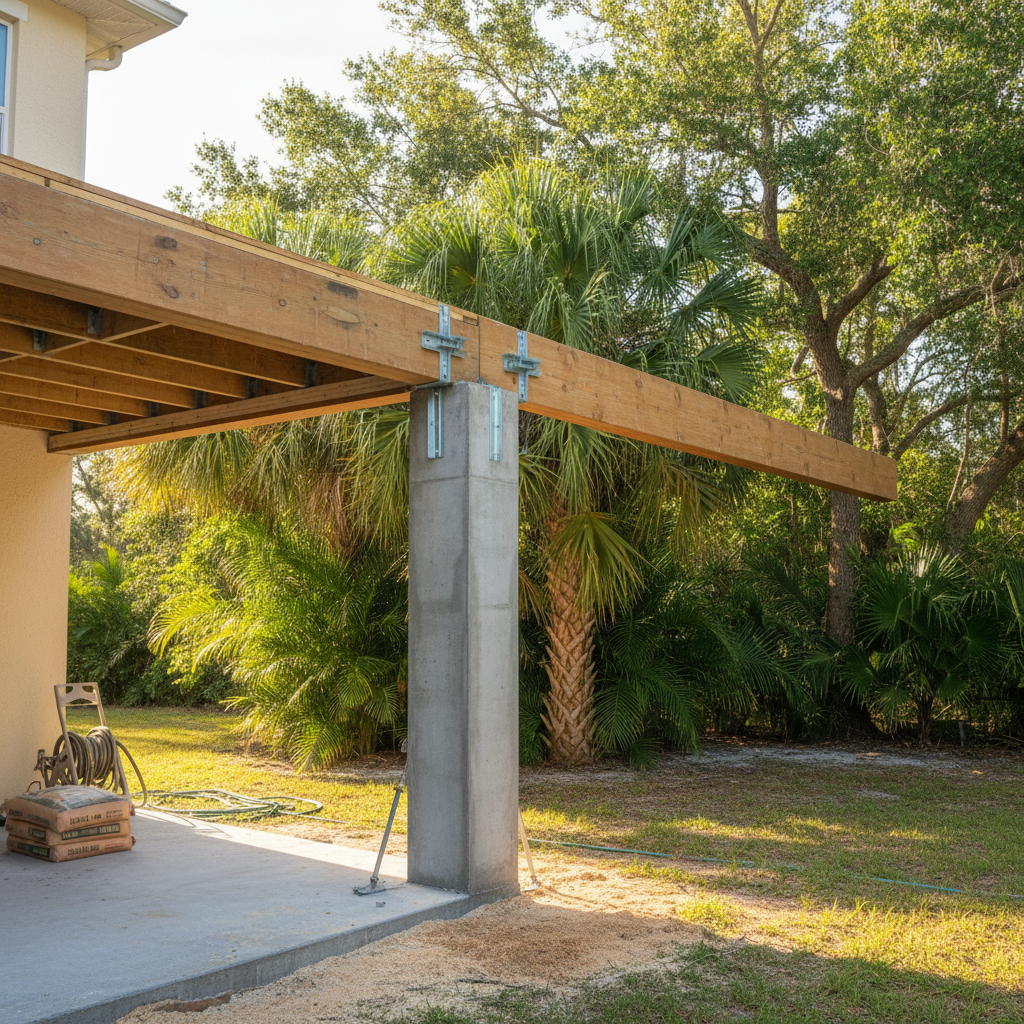
Alright, let's talk beams. Maybe you're looking to open up a space, rip out a wall, or you've got a design that just screams for some serious structural muscle. Either way, you're going to need beam sizing and specifications. Sounds simple enough, right? Just grab a beam and stick it in. But believe me, I've seen plenty of folks here in Cape Coral make some pretty common—and expensive—blunders when they're planning or hiring for this kind of work. So, let me give you the lowdown on what to watch out for.
Mistake #1: Skipping the Engineer Entirely
This is probably the biggest one, and frankly, it's a huge red flag if a contractor tells you they can just "eyeball" it. Look, beams aren't just big pieces of wood or steel. They're vital structural components. They're holding up your roof, your second floor, sometimes even your entire house. If that beam isn't sized correctly for the load it's supposed to carry, you're looking at sagging floors, cracked drywall, and in the worst cases, a total structural failure. You absolutely need a licensed structural engineer to crunch the numbers, figure out the loads, and specify the right beam material, size, and connections. Don't let anyone tell you otherwise. It's not just about keeping things safe; it's often a code requirement here in Florida, especially with our hurricane standards. Did you know that?
Mistake #2: Going with the Cheapest Bid Without Scrutiny
Everyone wants a good deal, I totally get it. But when it comes to structural work, the cheapest bid can often end up being the most expensive in the long run. If one quote comes in way lower than the others, ask yourself why. Are they skipping the engineering? Are they planning to use undersized materials? Are they cutting corners on installation? I've seen contractors try to use a standard 2x12 when an engineered lumber beam or a steel I-beam was truly necessary. The cost difference for the right beam is usually a tiny fraction of the overall project, but the peace of mind and structural integrity? Those are worth their weight in gold. Always compare apples to apples, and make sure every bid includes proper engineering plans.
Mistake #3: Not Understanding the Full Scope (and Cost)
A beam isn't just a beam, you know. When you're putting in a new one, especially a big one, you're usually talking about a lot more than just the beam itself. You've got demolition to consider, temporary shoring to hold things up while the work gets done, new posts or columns to support the beam, and often new footings or foundation work under those posts (super important here in Cape Coral with our sandy soils and high water table). Then there's patching drywall, painting, and sometimes even rerouting electrical or plumbing if it's in the way. People often focus only on the beam material and installation cost, forgetting about all these other essential pieces. Make sure your contractor gives you a detailed breakdown of everything involved, so you don't get hit with unexpected costs halfway through.
Mistake #4: Ignoring Proper Connections and Bearing
It's not enough to just have the right size beam. How that beam connects to other structural elements, and how much bearing it has on its supports, is just as crucial. A beam needs sufficient 'bearing' – that's the amount of surface area it rests on at each end. If it's not enough, the beam can crush the material underneath it, or even slip right off. And the connections? They need to be strong enough to transfer the load properly. This is another spot where an engineer's plans are vital. They'll specify things like hurricane clips, specific fasteners, and bearing plate requirements. This is especially critical in our area, where wind loads are a serious consideration for every structure.
Mistake #5: Not Getting Permits
I know, I know, permits can be a real headache. But for any structural modification, including putting in or replacing a load-bearing beam, you absolutely need a permit from the City of Cape Coral. This isn't just bureaucratic red tape; it's there to make sure the work is done safely and to code. When you get a permit, the city inspects the work at various stages, ensuring it meets safety standards. If you skip the permit, you could face fines, be forced to tear out and redo work, and it can cause major headaches when you go to sell your house down the line. Plus, if something goes wrong and you didn't have a permit, your insurance company might not cover the damages. Cape Coral Structural Engineering always stresses the importance of proper permitting for all structural projects.
So, when you're thinking about a beam project, do your homework. Get multiple quotes, make sure an engineer is involved from the very start, understand the full scope, and don't skip the permits. It'll save you a lot of grief and ensure your home is safe and sound for years to come.