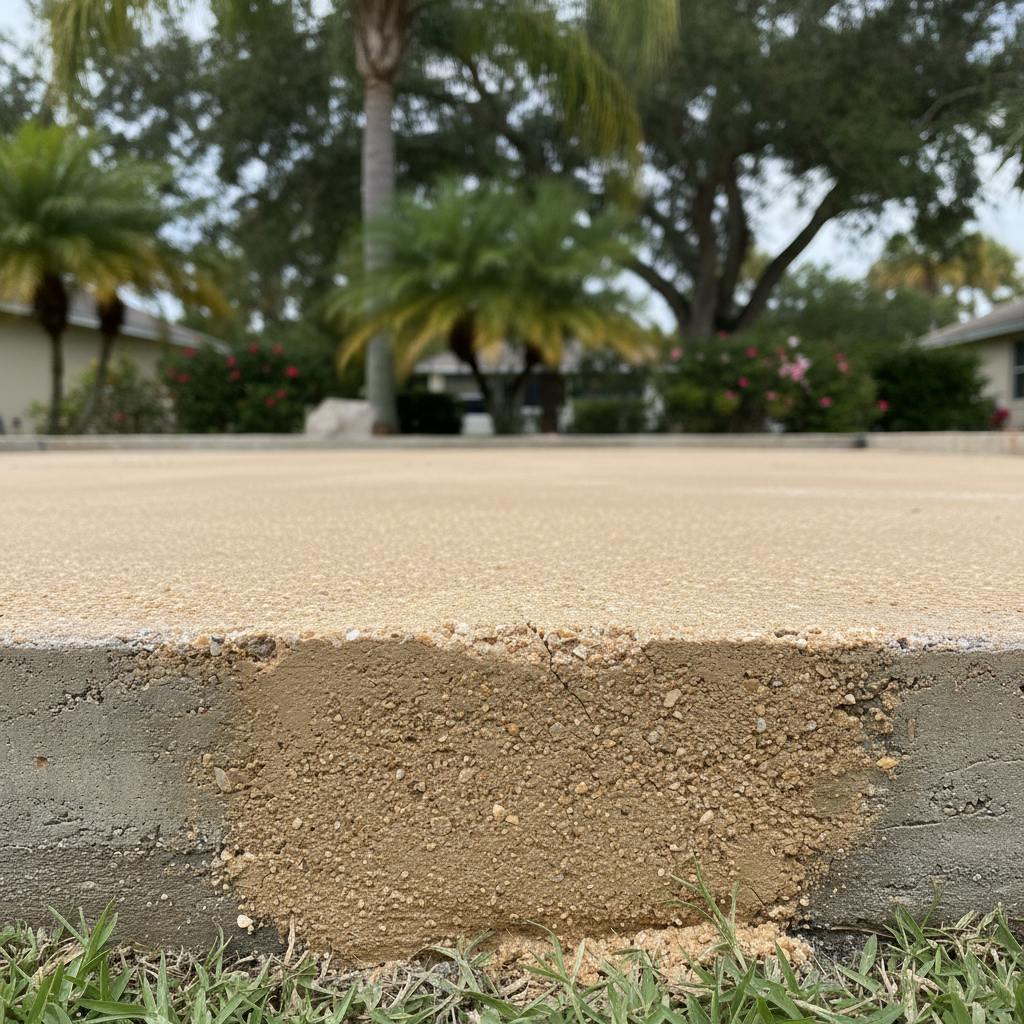
Alright, let's talk about your home's foundation. It's the most important part of your house, plain and simple. Here in Cape Coral, with our sandy soil and the occasional tropical storm, foundation issues aren't just a 'maybe' – they're something every homeowner needs to keep an eye on. You might think it's all super complicated, but there's a lot you can actually do yourself before you even think about calling someone like me.
Before You Call Anyone: Your DIY Inspection Checklist
Before you get all stressed out, take a deep breath and do a little detective work. You'd be surprised what you can spot with a keen eye. This isn't about diagnosing complex structural problems, mind you; it's about gathering information so you know if you've got a real issue or just a minor cosmetic crack.
- Walk Around Your House: Check out the exterior walls. See any cracks? Are they hairline, or do they look like they're getting wider than a quarter-inch? Pay extra attention to cracks that run diagonally from window or door corners.
- Check Your Interior: Inside, look at your drywall. Are there cracks, especially above doorframes or windows? Do your doors or windows stick when you try to open or close them? Sometimes, even a slight shift in the foundation can cause these kinds of annoyances.
- Look at Your Floors: Do you notice any unevenness? Place a marble or a small ball on the floor in different spots. Does it consistently roll in one direction? That could definitely indicate a slope.
- Inspect Your Plumbing: Leaky pipes under the slab are a common culprit for foundation problems around here. Keep an eye on your water bill for unexplained spikes, or damp spots on your floor. Our high water table and the fact that most homes here are built on slab foundations mean water intrusion can be a real headache.
- Check Your Drainage: This is huge. Make sure water is draining away from your house, not pooling near the foundation. Gutters should be clean and downspouts should extend several feet away from the house. If water sits against your foundation, it can erode the soil or, worse, seep under the slab.
Take pictures of anything you find. Note down where it is, how big it is, and when you first noticed it. This information is gold if you do end up needing a professional.
When It's Time to Bring in the Pros
You've done your homework. You've got some notes and photos. Now, if you're seeing more than just tiny, stable hairline cracks – if you've got wide cracks, doors that won't close, or significant sloping floors – it's time to call in a structural engineer. Don't jump straight to a repair company. Why? Because a good structural engineer, like us at Cape Coral Structural Engineering, will give you an unbiased assessment of the problem and a solid plan for fixing it. We're not trying to sell you a repair; we're just giving you the facts and the blueprint.
A professional will use specialized tools to measure foundation movement, assess soil conditions, and figure out the root cause of the problem. They'll tell you if it's settlement, expansive soil, plumbing leaks, or something else entirely. This diagnosis is critical because fixing the wrong problem is a waste of money and won't solve anything in the long run.
During the Repair: What to Expect
Once you have an engineer's report and repair plan, you'll hire a reputable foundation repair contractor. Make sure they're licensed and insured, and get multiple bids. Don't just go for the cheapest option; look for experience and good references.
- Permits: For most significant foundation repairs, you'll need permits from the City of Cape Coral. Your contractor should handle this, but make sure it's part of the agreement.
- Disruption: Foundation repair can be messy. There might be excavation around your home, and some interior work if the slab needs attention. Be prepared for some noise and dust.
- Communication: Stay in touch with your contractor. Ask questions. Understand what they're doing and why. A good contractor will keep you informed every step of the way.
After the Repair: Keeping Your Foundation Healthy
The repair isn't the end of the story. You've invested in your home, now protect that investment. The most important thing you can do is maintain good drainage around your house. This means keeping those gutters clean, ensuring downspouts are extended, and making sure the ground slopes away from your foundation. You might even consider adding French drains in areas where water tends to collect.
Keep an eye on the landscaping too. Large trees too close to the house can sometimes cause issues as their roots seek moisture, especially during dry spells. And continue those periodic DIY inspections. Catching small issues early can prevent them from becoming big, expensive problems down the road.
Your home's foundation is its backbone. Taking care of it means taking care of your biggest asset. Don't ignore the signs, and don't be afraid to get professional help when you need it. It's always better to be proactive than reactive when it comes to something this important.