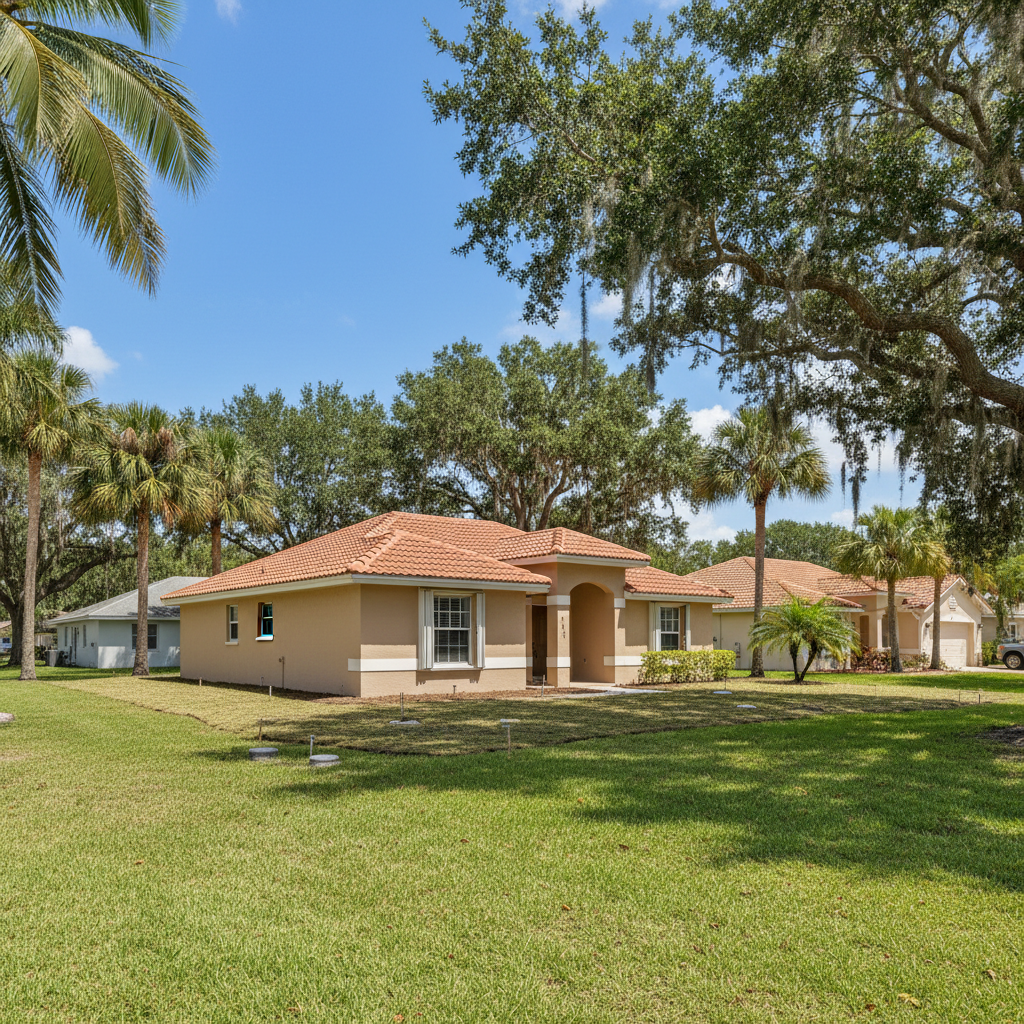
Is Your Cape Coral Home's Foundation in Trouble?
You've got a beautiful home here in Cape Coral, maybe on a canal or tucked away in a quiet neighborhood like Pelican. But even in paradise, things can go wrong, especially with what your home sits on – its foundation. I've seen a lot of foundation issues over the years, and trust me, ignoring them is never a good idea. It's not just about a small crack; it's about the very stability of your biggest investment.
So, how do you know if your foundation is having a bad day? There are some pretty clear signs if you know what to look for. And it's not always as obvious as a giant hole in the ground. Sometimes it's subtle, and sometimes it's screaming at you.
Common Signs of Foundation Problems
Let's talk about what I commonly see when I'm out on a job in places like the Yacht Club area or down in the older sections of the Cape. These aren't just cosmetic issues; they're often red flags for something deeper.
- Cracks in Walls or Ceilings: You might see hairline cracks, but if they're jagged, stair-stepping, or wider than a quarter-inch, especially around doors and windows, that's a big deal. Vertical cracks are usually less concerning than horizontal ones, which can point to serious pressure.
- Uneven Floors: Does it feel like you're walking uphill or downhill in certain parts of your house? Or maybe a ball rolls to one side when you set it down? That's a classic sign of differential settlement, where one part of your foundation is sinking more than another.
- Doors and Windows Sticking: If doors suddenly don't close right, or windows are a struggle to open or latch, it's often because the frame has shifted due to foundation movement. It's not just old age; it's a structural issue.
- Gaps Around Window and Door Frames: Look for separation between the frame and the wall. This is another indicator that things are moving out of alignment.
- Exterior Wall Cracks: Walk around the outside of your house. Look at the stucco or siding. Are there cracks, especially near the corners or where different parts of the house meet?
- Bowing or Leaning Walls: This is a more extreme sign, but if a wall looks like it's bulging inwards or outwards, you need to call someone immediately.
- Standing Water Near the Foundation: While not a direct foundation problem, poor drainage can lead to soil erosion or expansion, which then puts stress on your foundation. We get a lot of rain here, so managing water is crucial.
Don't panic if you see one of these. But if you're seeing several, or if a single one is pretty severe, it's time to get it checked out by someone who knows what they're doing.
Why Cape Coral's Unique Conditions Matter
You can't just apply a generic foundation repair solution here. Cape Coral isn't like other places. We've got our own set of challenges that directly impact foundations.
First off, the soil. A lot of our ground here is sandy, often built on fill, and close to the water table. That means it can be susceptible to erosion, especially with our heavy rainy season downpours. When the soil washes away or compacts unevenly, your foundation loses support. I've seen homes in older sections, built closer to the canals, where water intrusion and soil instability are constant battles.
Then there's the weather. Hurricanes and tropical storms aren't just about wind damage. The intense rainfall and potential for storm surge can saturate the ground, leading to soil expansion and contraction cycles that put immense stress on foundations over time. We also have a high water table, which means water can easily get under your slab if proper drainage and waterproofing aren't in place.
And let's not forget our building styles. Many homes here are concrete slab-on-grade. While durable, these slabs can crack and settle if the underlying soil isn't stable. Older homes might have different foundation types that require specific repair approaches.
The Importance of Local Expertise for Foundation Repair
This isn't a job for a handyman or someone who just moved down from Ohio and thinks they know Florida construction. You need someone who understands the local geology, the climate, and the typical construction methods used right here in Cape Coral. Someone who's seen it all before, from the older homes in the SE Cape to the newer builds in the NW. That's where a local expert comes in.
When you call Cape Coral Structural Engineering, you're getting someone who's not just looking at the cracks; we're looking at the whole picture. We'll assess the type of soil, the drainage around your property, the age and construction of your home, and the specific patterns of settlement we often see in this area. We know what works and what doesn't for our unique conditions.
We don't just patch things up. We diagnose the root cause of the problem. Is it poor drainage? Is it soil compaction? Is it a plumbing leak under the slab? Knowing the 'why' is crucial for a lasting repair. We'll then recommend the right solution, whether it's underpinning, slab repair, or drainage improvements. It's about providing a permanent fix, not just a temporary band-aid.
So, if you're noticing any of those warning signs, don't wait. Give us a call. We'll come out, take a look, and give you an honest assessment. Protecting your home starts from the ground up, and we're here to help you keep that foundation solid.