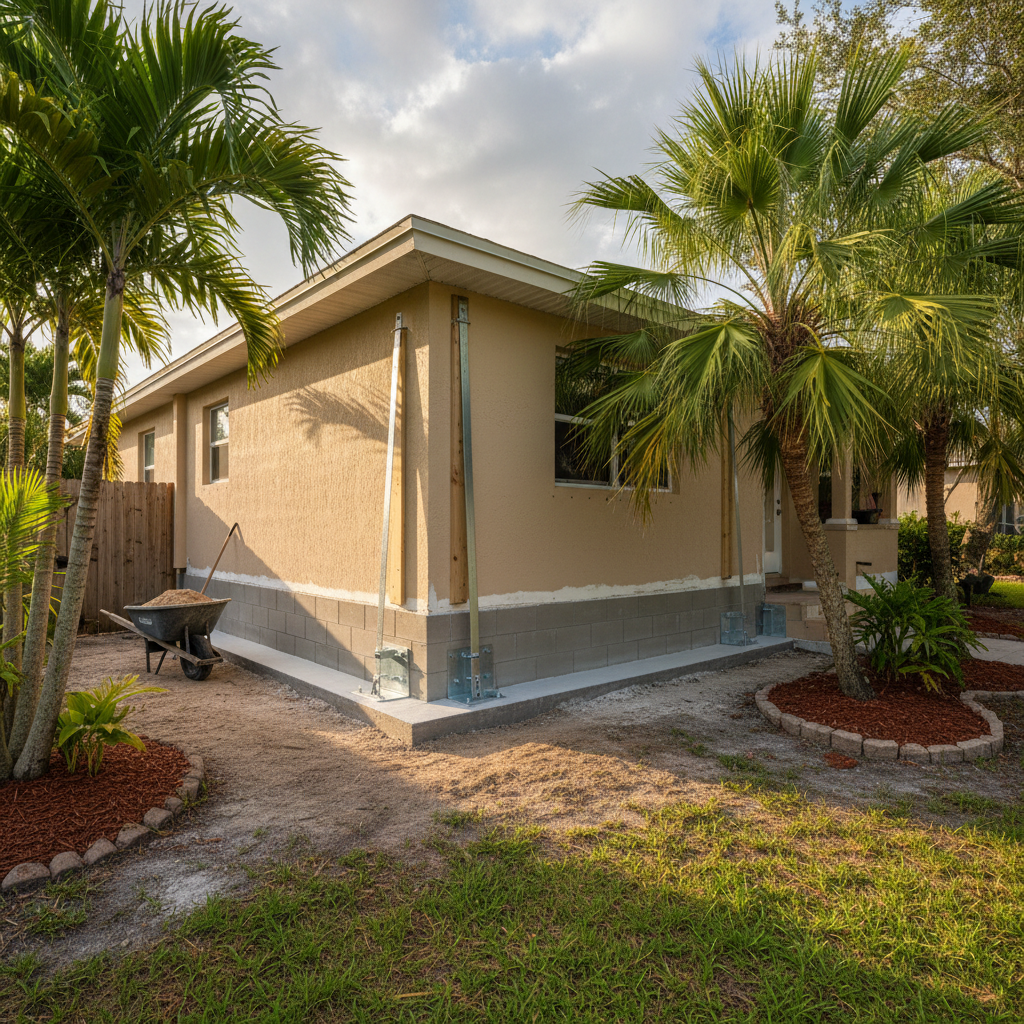
You might be wondering about seismic retrofitting here in Cape Coral. I know, earthquakes aren't exactly a daily worry like hurricanes are. But our building codes, especially after some of the bigger storms we've had, are always looking at ways to make homes stronger all around. That includes making sure your home can handle lateral forces, which is what seismic retrofitting really addresses. It's about tying everything together, from the roof down to the foundation, so your house acts like one solid unit.
When to Schedule Your Seismic Retrofit
Timing is everything down here, isn't it? For seismic retrofitting, the best time to schedule is usually outside of hurricane season. That means roughly from November through May. Why then? Well, a lot of the work involves getting under the house, accessing crawl spaces, or sometimes opening up walls to install connectors, hold-downs, or shear walls. You don't want to be doing that when the ground is saturated, or worse, when a storm is bearing down on us.
The dry season gives us stable ground conditions, which is crucial for foundation work or anything that ties into the ground. Plus, contractors aren't usually swamped with emergency repairs from storm damage, so you might find it easier to get on their schedule. It also means less chance of rain delays messing up the timeline for your project.
Weather Conditions That Affect the Work
Our Cape Coral weather isn't just about hurricanes. The humidity, the heat, and those sudden afternoon downpours all play a part in structural work. For seismic retrofitting, here's what we're always thinking about:
- Rain and Ground Saturation: If the ground is too wet, it can make excavation difficult and messy. More importantly, if we're working on foundation elements or installing anchor bolts, you want dry, stable conditions for proper curing and adhesion. We don't want to be digging in mud or trying to set concrete in a swamp.
- High Humidity: This can slow down the drying and curing times for any concrete or epoxy resins we might use. It's not a deal-breaker, but it means we have to factor in extra time and make sure materials are setting up correctly.
- Extreme Heat: Working in a crawl space in July or August is no fun for anyone, and it can affect worker efficiency and even the performance of some materials if they're exposed to direct, intense heat during application.
- Wind: While not as critical for interior retrofit work, if we're doing anything on the exterior or needing to open up parts of the house, high winds can be a safety concern and can blow dust and debris where it shouldn't be.
That's why the cooler, drier months are just plain better for this kind of detailed structural work. It ensures the job gets done right, without fighting Mother Nature every step of the way.
Protecting Your Investment Year-Round
Once you've made the investment in seismic retrofitting, you want to make sure it lasts. It's not a 'set it and forget it' situation, especially not here in Southwest Florida. Here's how to keep an eye on things:
- Regular Inspections: I always tell folks to get a structural inspection every few years, or after any significant storm. It's like getting your car serviced. Someone like us at Cape Coral Structural Engineering can spot small issues before they become big problems. We're looking for things like cracks in the foundation, shifting soil, or signs of water intrusion that could compromise your retrofit.
- Drainage Management: This is huge in Cape Coral. We're built on low-lying land, and water is always a factor. Make sure your gutters are clean, downspouts are directing water away from your foundation, and your landscaping isn't trapping water around the house. Standing water can undermine foundations and accelerate corrosion of metal components used in retrofitting.
- Pest Control: Termites and other pests love damp, dark places, which often includes the areas where retrofit work has been done. Make sure you've got a solid pest control plan in place. Pests can damage wood elements and even some non-wood materials over time, weakening your home's overall integrity.
- Monitor for Cracks: Keep an eye on your interior and exterior walls. Small hairline cracks are often normal, but if you see new, larger, or spreading cracks, especially around doors and windows, that's a sign to call a professional. It could indicate settlement or other structural movement that needs to be checked out.
Your home is a big investment, and structural integrity is its backbone. By being smart about when you schedule these projects and how you maintain your property year-round, you're doing everything you can to keep it safe and sound for the long haul. Don't wait until there's a problem to think about these things; a little proactive care goes a long way here in Cape Coral.