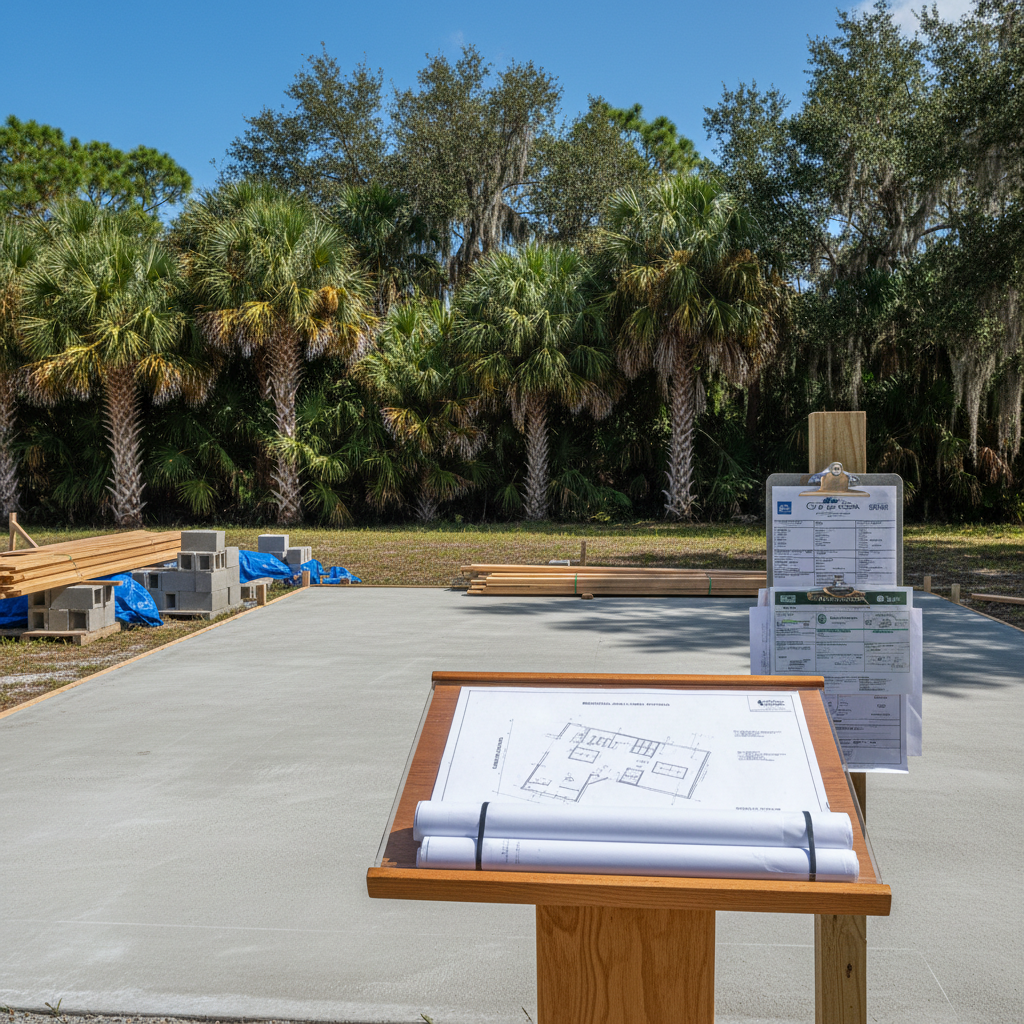
You wouldn't ignore a leaky roof, would you? Well, think of your construction drawings and permits in a similar light. They're not just a one-time thing you file away and forget. Especially here in Cape Coral, with our unique climate and ever-evolving building codes, keeping these documents current and accessible is a crucial part of maintaining your property's value and safety.
Why Your Plans & Permits Need Ongoing Attention
I've seen it too many times. Folks get their permits, finish the job, and then those important papers end up in a dusty box in the garage. But those documents are more than just proof of a completed project; they're a living record of your property's structure and modifications. They tell a story, and that story needs to be accurate.
First off, extending the life of your work means protecting the investment you've made. If you ever need to sell, refinance, or make future additions, having readily available, accurate plans and permits makes everything smoother. It shows a potential buyer or lender that the work was done right and legally. It's a huge red flag when I'm doing a pre-purchase inspection and the homeowner can't produce a single permit for a major addition or renovation. That immediately raises questions about the quality and legality of the work.
Also, things change. Building codes get updated, especially after big storms like Ian. What was perfectly compliant five years ago might have new requirements today, particularly for things like wind mitigation or flood zone compliance. Your original drawings, even if they were approved, might need to be referenced against new standards if you're planning further work.
Regular Maintenance for Your Paperwork
So, what does 'maintenance' look like for a stack of papers and digital files? It's simpler than you might think, but it requires a little discipline.
- Organize and Digitize: Get all your permits, approved drawings, inspection reports, and certificates of occupancy in one place. Scan everything and save it to a cloud service or an external hard drive. Keep physical copies too, but digital access is a lifesaver. Label files clearly with dates and project names.
- Review Periodically: Once every couple of years, or after any significant weather event, just glance through your key documents. Does anything seem out of place? Do you remember any minor repairs or changes that weren't documented?
- Update When Necessary: If you undertake new work, even small things that require a permit, make sure those new permits and drawings are added to your existing file. Don't start a new folder; integrate them.
- Know Your Property's History: Understand what work has been done, when, and by whom. This knowledge is invaluable if you ever need to troubleshoot an issue or explain something to an inspector.
For example, if you're in an older section of Cape Coral, say, near the Yacht Club, your original drawings might not reflect modern hurricane strapping requirements. If you've had a re-roof or window replacement since then, those permits and drawings should show the updated components. If they don't, you might be missing out on insurance discounts or face issues during a future inspection.
Warning Signs You Might Have a Problem
How do you know if your permit and drawing situation needs a closer look? Here are a few red flags:
- You can't find any permits for major work: If you bought a house with an addition, a pool enclosure, or a new roof, and you don't have permits for it, that's a big warning sign.
- You're planning new work, and your existing drawings don't match the current structure: Maybe a previous owner changed something without updating the plans.
- An insurance adjuster asks for specific documentation you don't have: This often happens after a storm when they're assessing damage and need to verify existing components.
- You're getting conflicting information: The county records show one thing, but your papers show another.
- You're selling your home, and the buyer's inspector or appraiser flags unpermitted work. This can seriously delay or even derail a sale.
When to Call a Professional
Look, you don't need to be an expert in building codes. That's my job. If any of those warning signs pop up, or if you just feel overwhelmed by the sheer volume of paperwork, it's time to call in someone like us at Cape Coral Structural Engineering.
We can help you navigate the permitting process, research your property's permit history with the city and county, and even help you get existing unpermitted work brought up to code (which can be a complex process, but it's often worth it for peace of mind and property value). We can review your existing drawings and help you understand how they relate to current codes, especially concerning structural integrity and wind resistance.
Don't wait until there's a crisis. A little proactive maintenance on your paperwork can save you a lot of headaches, and potentially a lot of money, down the road.